WRR Ukraine

MAY 29 - JUNE 15

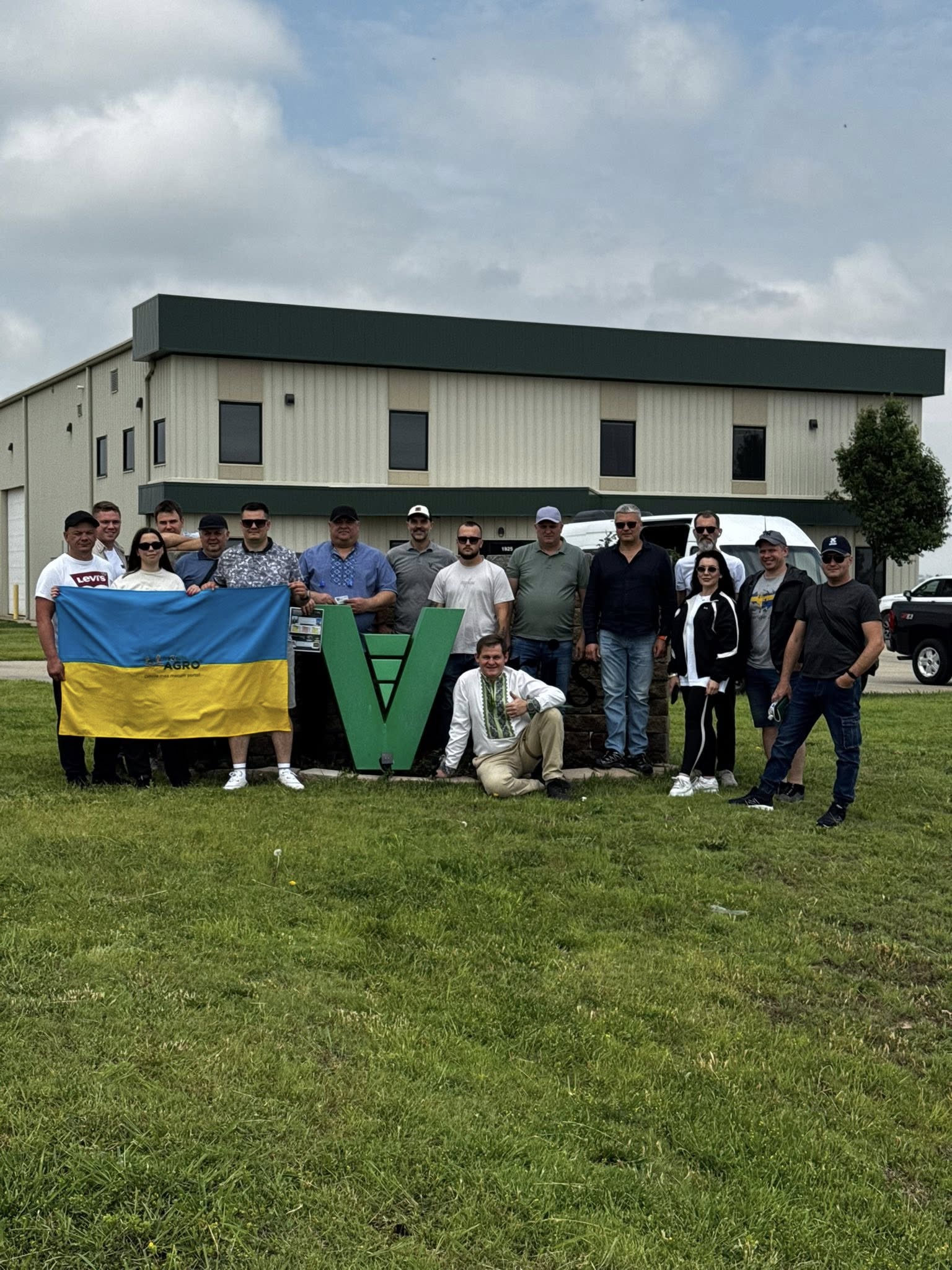
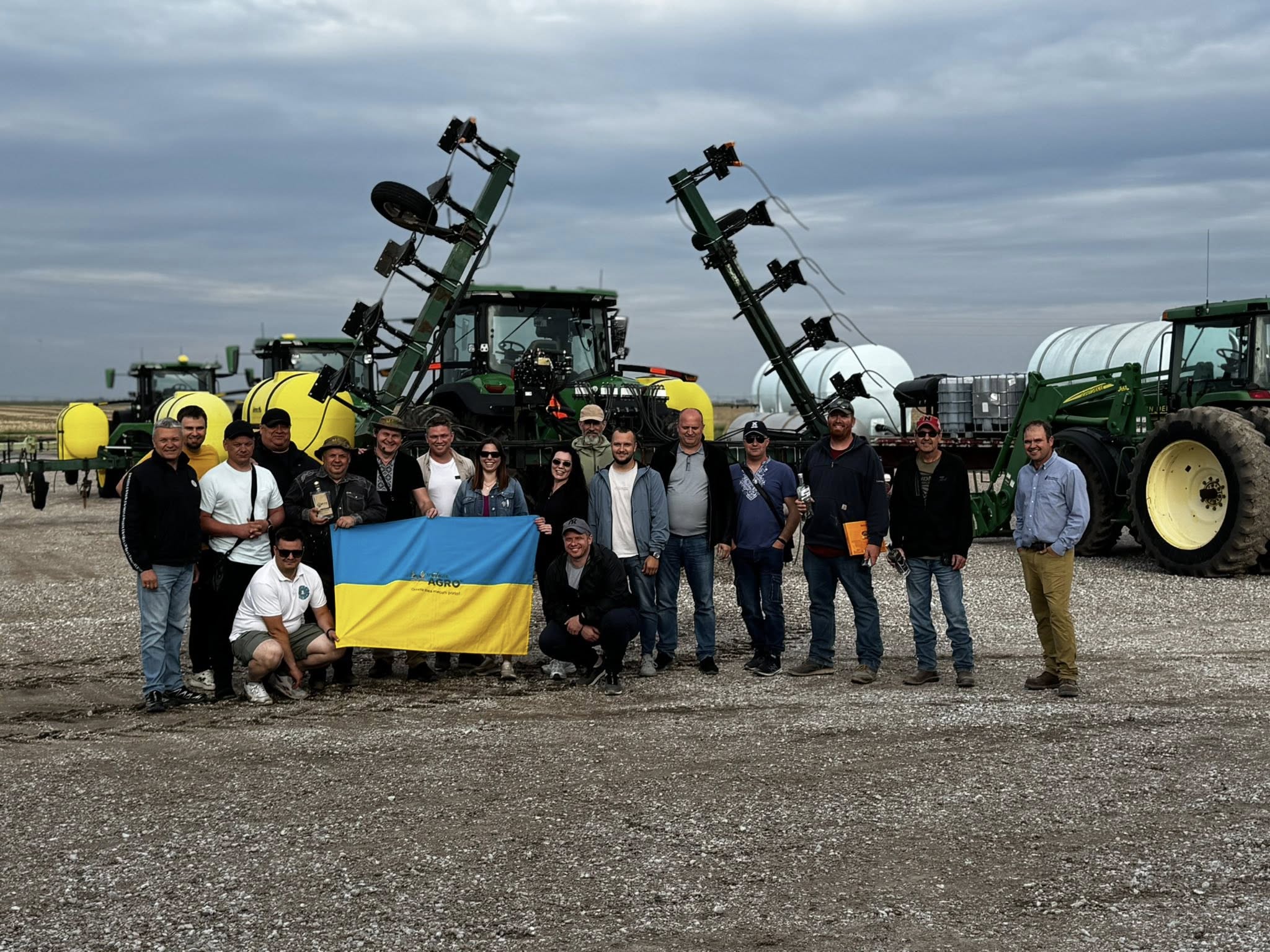
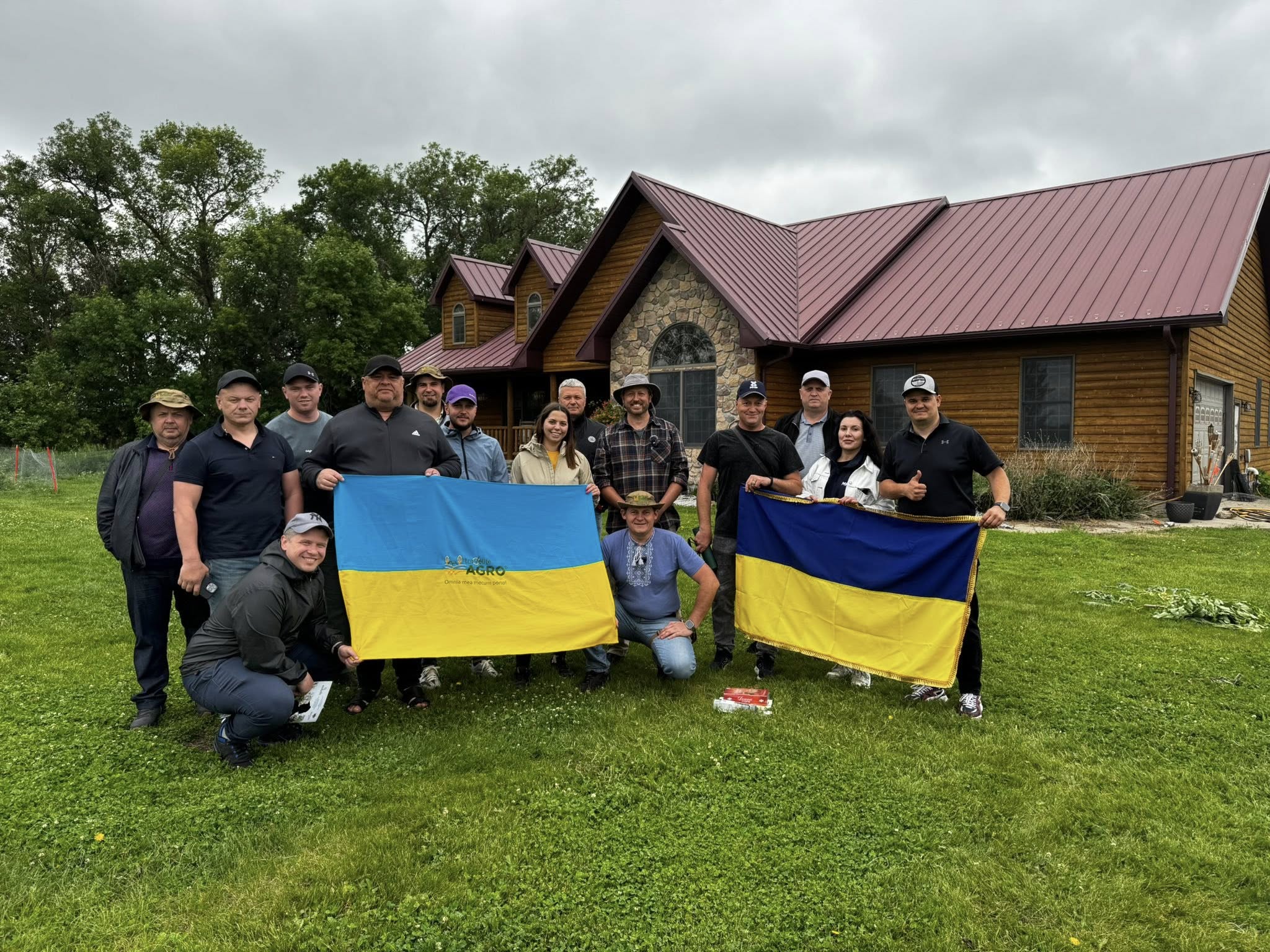
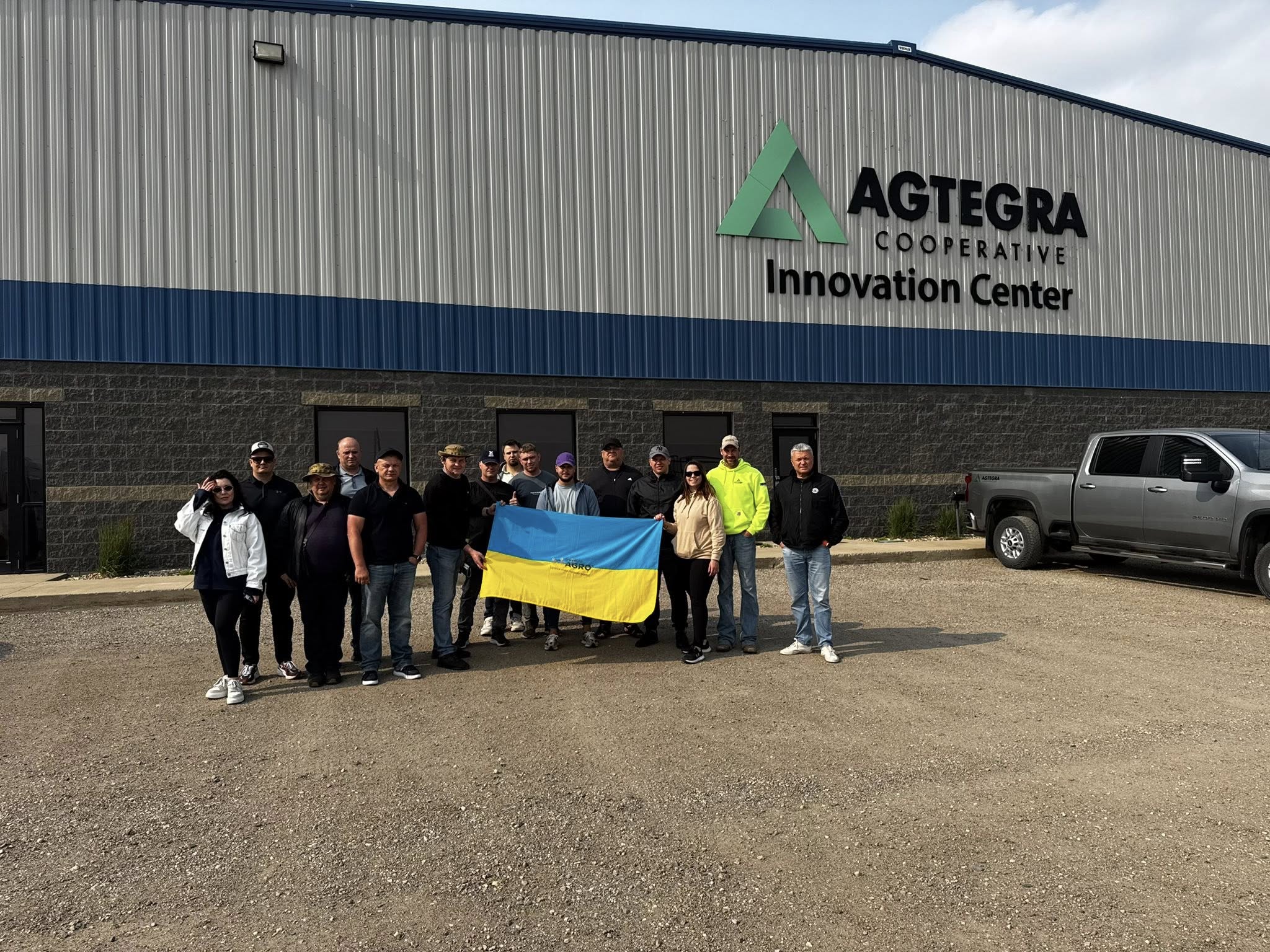
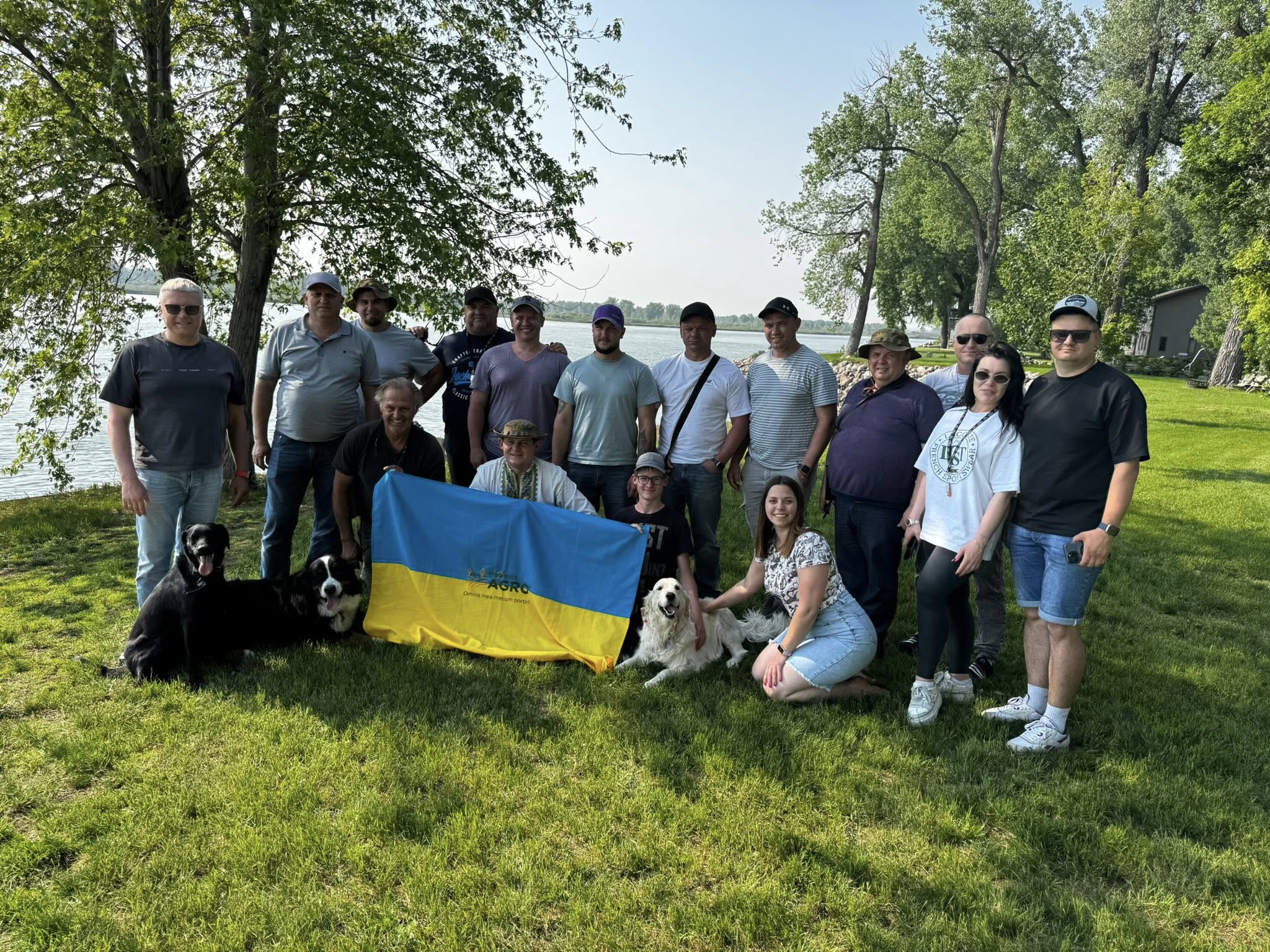
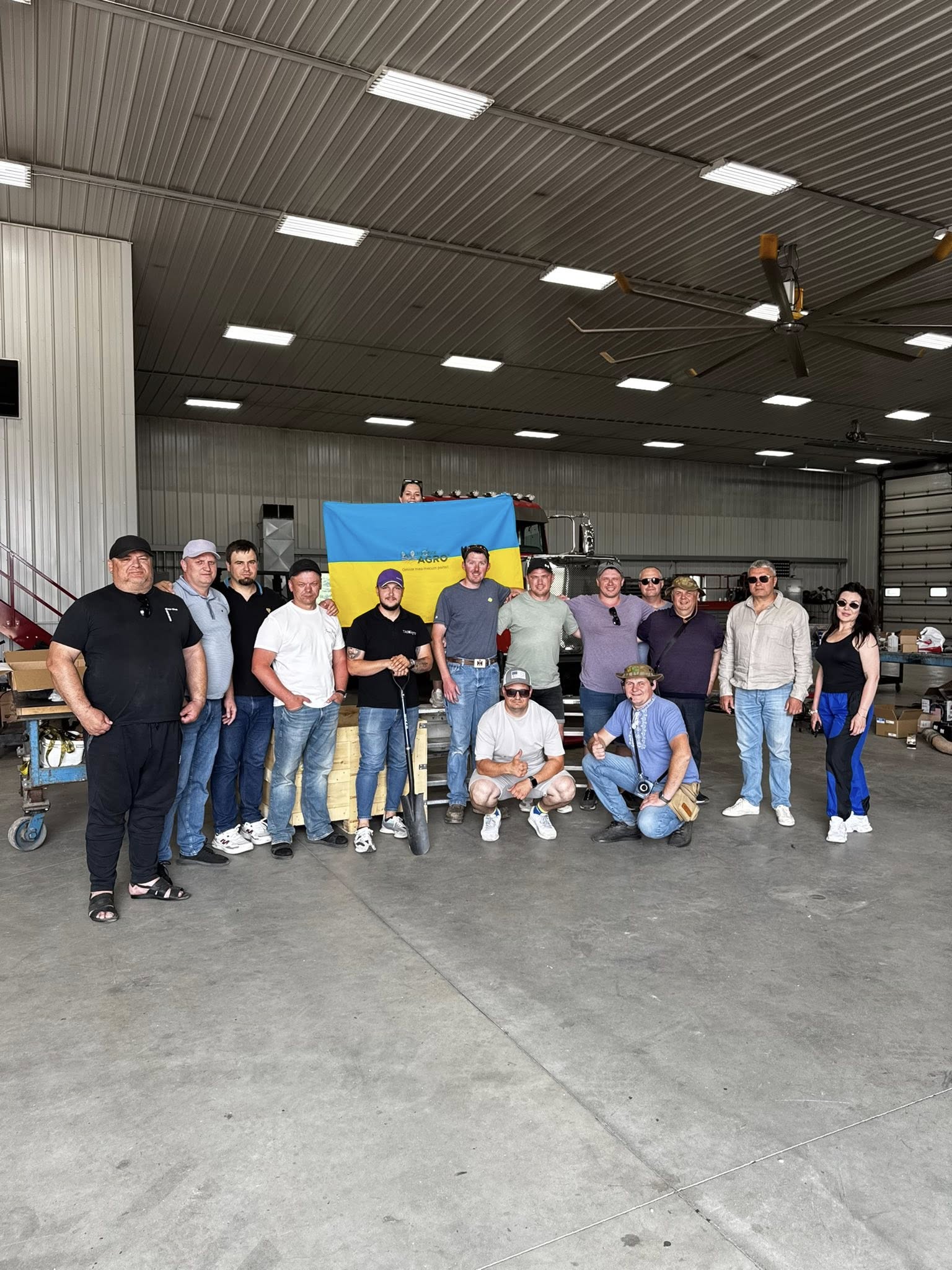
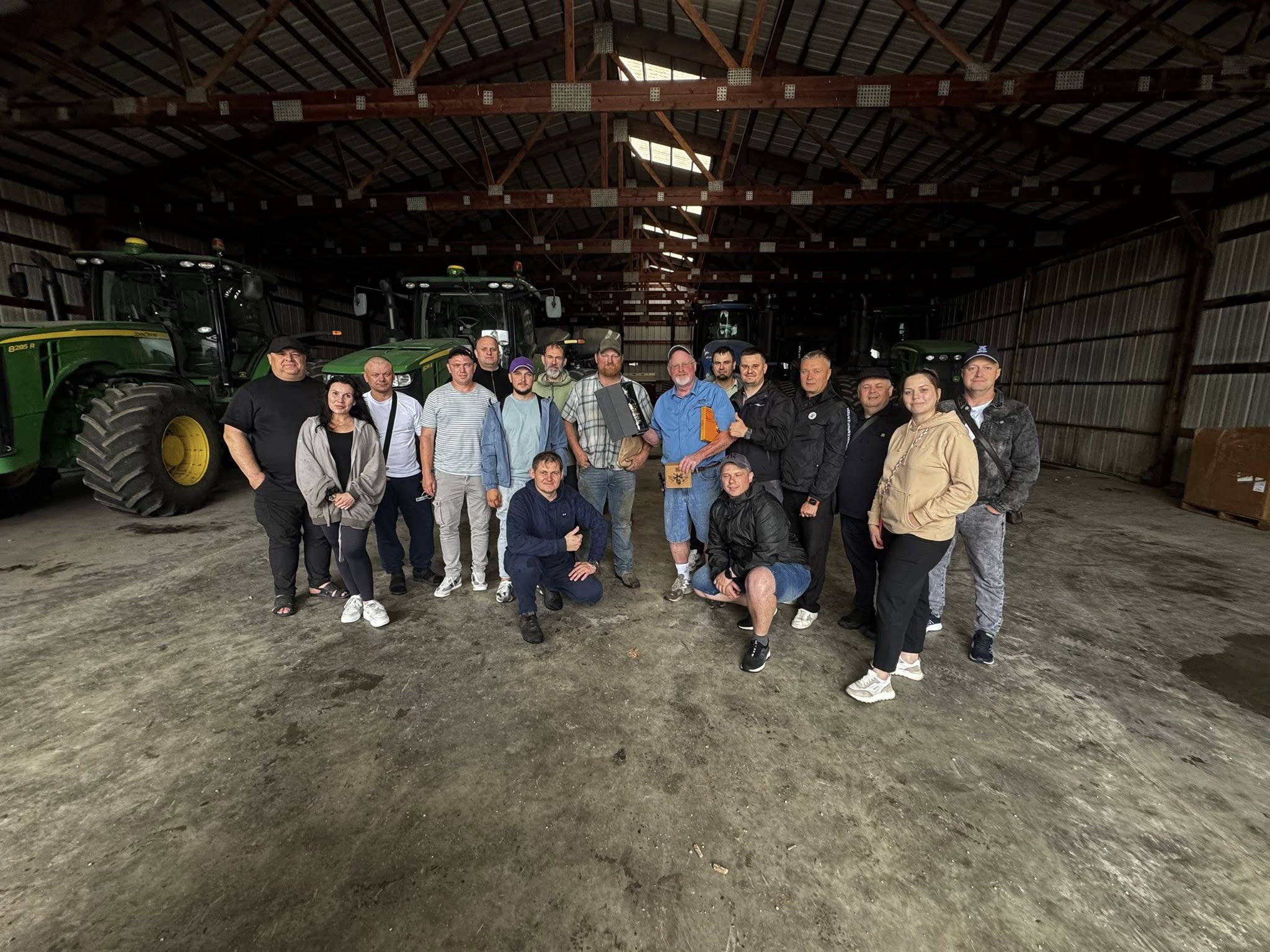
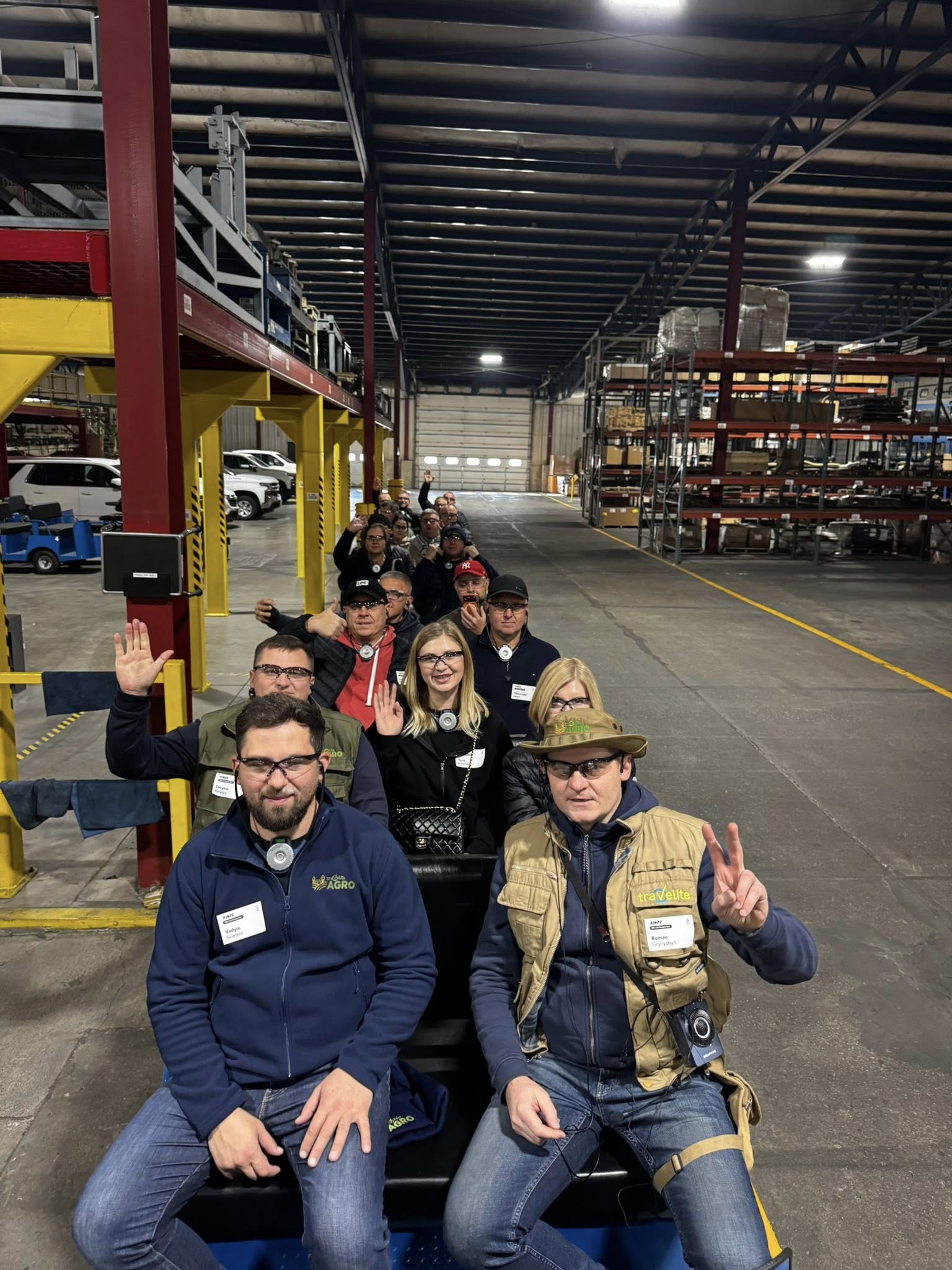
TREVELITEAGRO EXPEDITION TO THE MIDWEST OF THE US

Feed the Soil – Feed the Plant – Feed the Country

MAY 29 - JUNE 15

2 WEEKS

8

states

15+

meetings and visits

ABOUT

The U.S. Midwest is one of the world’s most advanced agricultural regions, shaping global trends in soil management, sustainability, and precision farming. Its diverse climate zones allow participants to see how technologies adapt to different soil and weather conditions.

This year, the tour places a stronger focus on plant nutrition, fertilization, and soil balance as the foundation of efficient agriculture. TraveliteAGRO evolves from a familiarization trip into a hands-on intensive.

Participants go beyond observation, engaging in real-case discussions with industry experts at each visit. This provides a deeper understanding of the decision-making logic behind American farming practices.

Tour Focus

The main focus is on plant nutrition, soil health, and efficient resource management. Moving beyond a traditional tour, participants explore the decision-making behind why American farmers choose specific technologies and how they adapt to changing climates.

Key Program Topics:

  • Soil balance and fertility management;
  • Regenerative agriculture and cover crops;
  • No-Till, Strip-Till, and minimal tillage techniques;
  • Precision Ag: drones, sensors, and autonomous machinery;
  • Crop scouting and in-season monitoring;
  • Insights from top agricultural universities and progressive farms.

what we'll visit

Who We’ll Meet

On the TraveliteAGRO expedition to the U.S. Midwest, it’s not just about visiting farms — it’s about meeting the people shaping modern agriculture. Participants will connect with soil scientists, leading university professors, industry experts and consultants, as well as farmers and agribusiness leaders.

Soil Scientists & Professors:

The researchers shaping modern agriculture. Their studies form the basis of the technologies farmers use worldwide. During the expedition, participants gain direct access to the latest insights in soil science, plant nutrition, and precision farming.

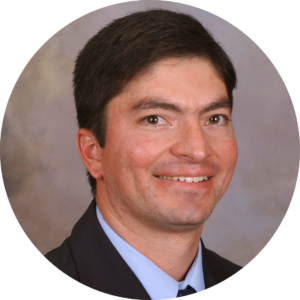
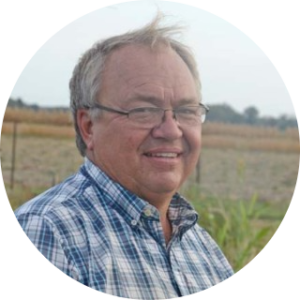
Dr. Ray Ward

Founder of Ward Laboratories, expert in soil health and agronomic diagnostics, USA

Specialization: Fundamental analysis of soil, water, and plants; plant nutrition systems; nutrient balance; interpretation of agrochemical analyses. Ray Ward is one of the pioneers who established modern soil testing standards in the United States.

Key Approach: Maximum precision in the interpretation of analysis results. He teaches how to look beyond the numbers in a report to understand the actual biological availability of nutrients.

Interesting Facts: Ward Laboratories is one of the most renowned agrochemical labs in the US, providing consultations to farmers across North America, Europe, and Australia.

Dr. Brian Arnall

Professor at the Department of Plant and Soil Sciences, Oklahoma State University

Specialization: Precision agriculture, nutrient management, sensor technologies, and variable rate fertilizer application.

Key Approach: “Precision for Profit.” Adapting precision farming to specific field conditions; integrating sensors, weather stations, and digital solutions to optimize yields.

Interesting Facts: Holds a PhD in Soil Science (2008); named “Precision Agriculture Educator of the Year” (2016); author of over 50 peer-reviewed journal articles and recipient of over 50 successful research grants.

Dr. Dorivar Ruiz Diaz

Professor at the Department of Agronomy, Kansas State University; one of the leading US scientists in plant nutrition

Specialization: Nutrient management for field crops, nutrient use efficiency, and optimization of fertilization for corn, soybeans, and wheat.

Key Approach: Bridging the gap between scientific research and practical recommendations for farmers, with an emphasis on increasing fertilizer efficiency and reducing soil nutrient loss.

Interesting Facts: Actively collaborates with farming enterprises and agricultural companies to promote scientific methodologies in practical farming.

Timothy Reinbott

Director of Field Operations at the Jefferson Farm and Garden Center, University of Missouri; a veteran of field research

Specialization: Agricultural extension, field research management, dissemination of scientific knowledge to farmers, biomass studies, and variety trials.

Key Approach: Hands-on leadership of research projects, optimization of crop production on research farms, and analysis of species composition and management methods.

Interesting Facts: He once managed the simultaneous cultivation of 220 different tomato varieties and numerous bioenergy crop trials at the famous Bradford Farm. He is a co-author of scientific papers on biomass production.

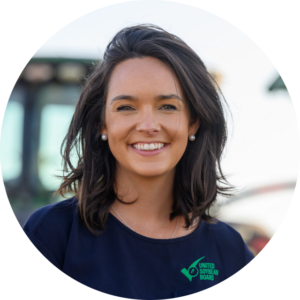
Meagan Kaiser

Leading Expert and Chief Operating Officer (COO) of Perry Agricultural Laboratory

Specialization: In-depth laboratory soil analysis using the Albrecht Method, data interpretation, and strategic nutrition planning.

Key Approach: Scientific research of soils and crops to support precision agriculture; integrating laboratory data into practical solutions for farmers.

Interesting Facts: Perry Agricultural Laboratory is a premier US facility working with farms across the Midwest to boost agricultural productivity. Meagan is not just a theorist but an active practitioner—she manages her own farm and holds high-ranking positions on national boards (such as the Soybean Checkoff) that influence US agricultural policy.

Experts & Consultants:

Specialists bridging science and practice. They help farmers turn complex agronomic research into actionable decisions, from soil and crop management to precision agriculture, providing a systemic view of efficient production.

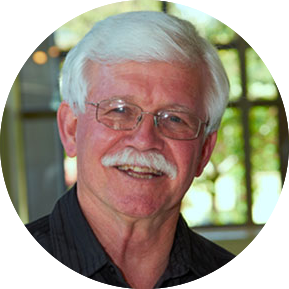
Neal Kinsey

Owner of Kinsey Agricultural Services, author of the bestseller "Hands-On Agronomy," and a specialist in soil agrochemistry

Specialization: Soil mineral balancing using the Kinsey/Albrecht method.

Key Approach: Managing the physical structure of the soil through its chemical composition. Neal believes that the correct balance of calcium and magnesium is the foundation for soil health and the effectiveness of No-Till systems.

Interesting Facts: A consulting practitioner who has worked in 75 countries. He provides specific “recipes”: what and how much to apply to “unlock” a field’s previously blocked potential. A student of the legendary soil scientist William Albrecht, his approach is widely used in regenerative agriculture.

Bill McKibben

Lead Consultant at Logan Labs, author of "The Art of Balancing Soil Nutrients," and a practitioner with 40 years of experience

Specialization: Field agronomy, soil health management, correction of micronutrient deficiencies, and nutrient management in high-humidity zones.

Key Approach: He is a master of field diagnostics. Bill will show participants how to identify hidden problems—which technology might miss—simply by observing the appearance of plants and the structure of the soil.

Interesting Facts: Works directly with farmers through field consultations and educational site visits.

Keith Berns

Co-founder of Green Cover Seed and one of the leading visionaries for cover crop use in North America

Specialization: Developing complex multi-species seed mixes to restore biological soil activity.

Key Approach: “Roots as a tool.” Keith views plants as the best way to structure soil and manage moisture, adhering to the principle: “Soil should never be left bare.”

Interesting Facts: Creator of the famous SmartMix Calculator – a digital tool that helps thousands of farmers worldwide select the ideal cover crop mix for their specific goals and climate.

Taylor Braungardt

Farmer and Ag-Consultant from Kansas, working in precision agriculture and modern ag-technologies

Specialization: Implementation of digital field management tools, yield data analysis, soil zoning, and crop production optimization.

Key Approach: Actively works with farmers in the US Great Plains region, helping adapt precision farming technologies to arid climates and varying soil productivity.

Interesting Facts: One of the most prominent promoters of cover crops in the US; regularly conducts training sessions, field days, and consultations for farmers.

Dr. Daniel Quinn

Lead Agronomy Specialist at Purdue University and the state’s key expert on corn production

Specialization: Corn cultivation, optimization of planting density, nutrition systems, and yield management based on field conditions.

Key Approach: Achieving maximum efficiency per hectare through precise adjustment of ag-technologies. Dr. Quinn focuses on field data analysis to adapt practices to different productivity zones within a single field.

Interesting Facts: Heavily involved in field research and data analysis, helping farmers bridge the gap between science and practical field application.

Dr. Shaun Casteel

Professor of Agronomy at Purdue University, one of the most renowned soybean researchers in the US

Specialization: Systemic crop management. He researches critical planting and nutrition windows that allow plants to establish maximum potential in early developmental stages.

Key Approach: Optimization of ag-technologies through planting density, timing, and intensive crop management.

Interesting Facts: Widely known for his educational project “Soybean Station,” where he uses practical videos and demonstration projects to help farmers implement scientific discoveries into their daily operations.

Farmers:

The practitioners working daily in the field. They test, adapt, and refine technologies on their farms, showing how precision and regenerative farming, risk management, and resource optimization work in real conditions.

Rick Clark

Fifth-generation farmer and regenerative agriculture leader, Farm Green, Indiana, USA

Specialization: Large-scale regenerative farming (over 2,800 ha), soil health, and biodiversity.

Key Approach: Prioritizing soil health, biodiversity, and long-term economic sustainability. He has completely transformed his business model—moving from chemically dependent farming to a self-sustaining system through a 5-crop rotation, No-Till, and the use of non-GMO seeds.

Interesting Facts: Rick spent over a decade transitioning his farm from a traditional model to a regenerative one. He has gained national recognition as a leader in sustainable agriculture. On his vast acreage, cover crops successfully replace a significant portion of mineral fertilizers, proving that regenerative systems can be highly profitable at scale.

Ray Flickner

Fifth-generation farmer and owner of Flickner Innovation Farm—one of the most prominent innovation hubs in Kansas

Specialization: Precision agriculture, water resource management, and transitioning to No-Till and Strip-Till systems.

Key Approach: “The Farm as a Laboratory”. Ray has turned his operation into a platform where university scientists and AgTech developers test cutting-edge solutions in real-world field conditions. His approach relies on meticulous data analysis (Big Data) to increase the profitability of every acre.

Interesting Facts: Ray is a pioneer in implementing Subsurface Drip Irrigation (SDI) and variable rate fertilizer application. Building on over 150 years of family legacy, his farm is officially recognized as the “Kansas Innovation Farm,” testing technologies of the future—from soil moisture sensors to autonomous crop management systems.

Cameron Peirce

Owner of Peirce Farms Inc., a premium farming operation and successful practitioner of intensive crop production

Specialization: Field crop cultivation utilizing a full spectrum of precision agriculture technologies.

Key Approach: Data-driven decision-making, adapting technologies to specific field conditions, and cost optimization.

Interesting Facts: Peirce Farms Inc. perfectly combines practical experience, high-end technology, and managerial flexibility to achieve consistent results.

Michael Thompson

Co-owner of Thompson Farm & Ranch LLC, and winner of the 2022 Kansas Leopold Conservation Award

Specialization: Synergy between crop production and livestock, and moisture management in arid conditions.

Focus: Cultivation of wheat, corn, oats, barley, and cover crops; rotational cattle grazing.

Key Approach: “Soil health as the foundation of resilience”. Michael combines No-Till with rotational grazing on cover crops, which allows for the natural restoration of land fertility.

Interesting Facts: Due to his shifted land management strategies, his farm consistently produces yields even during years of critically low rainfall when neighbors face crop failures. He is a recognized leader in conservation, as evidenced by his 2022 Leopold Award.

REGISTRATION

Sign up to the tour to get more info


Roman Hrynyshyn

+1 573 589 00 50
+38 097 996 50 47;
roman@traveliteagro.com